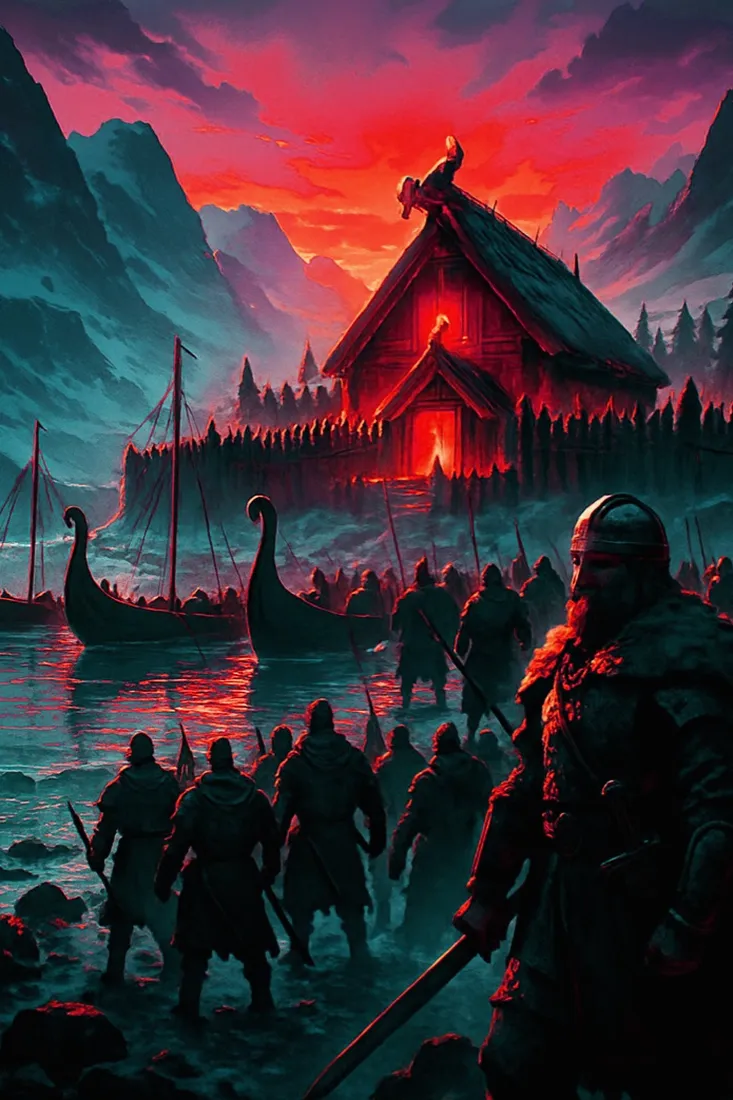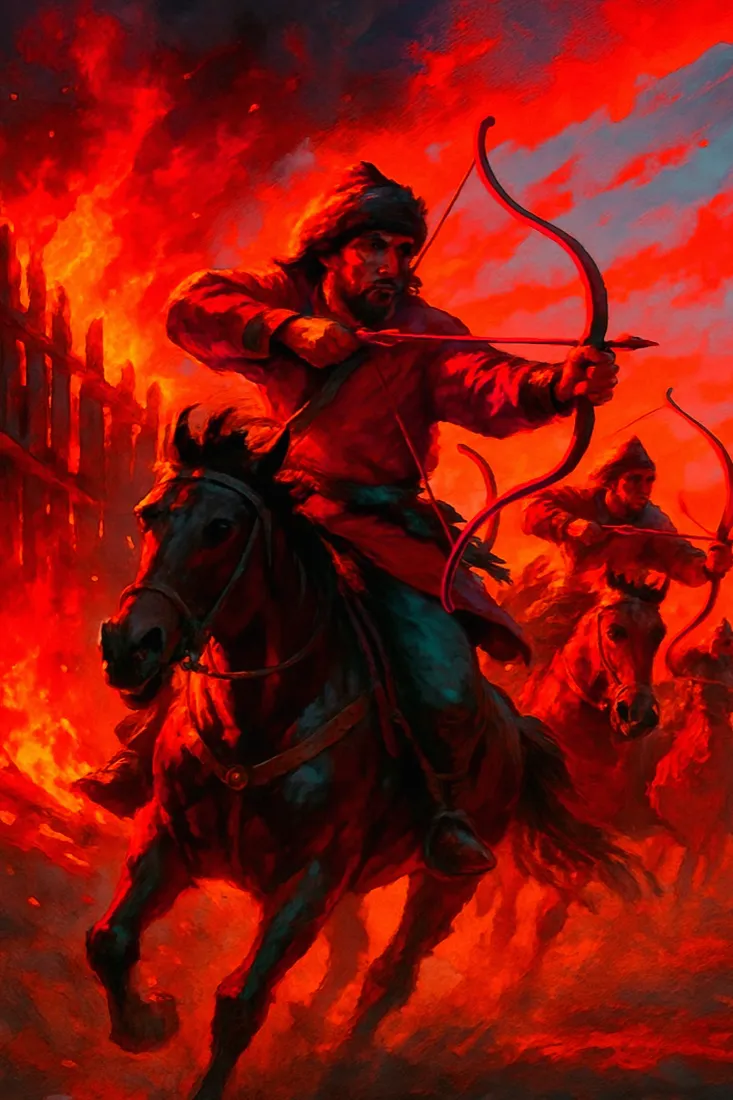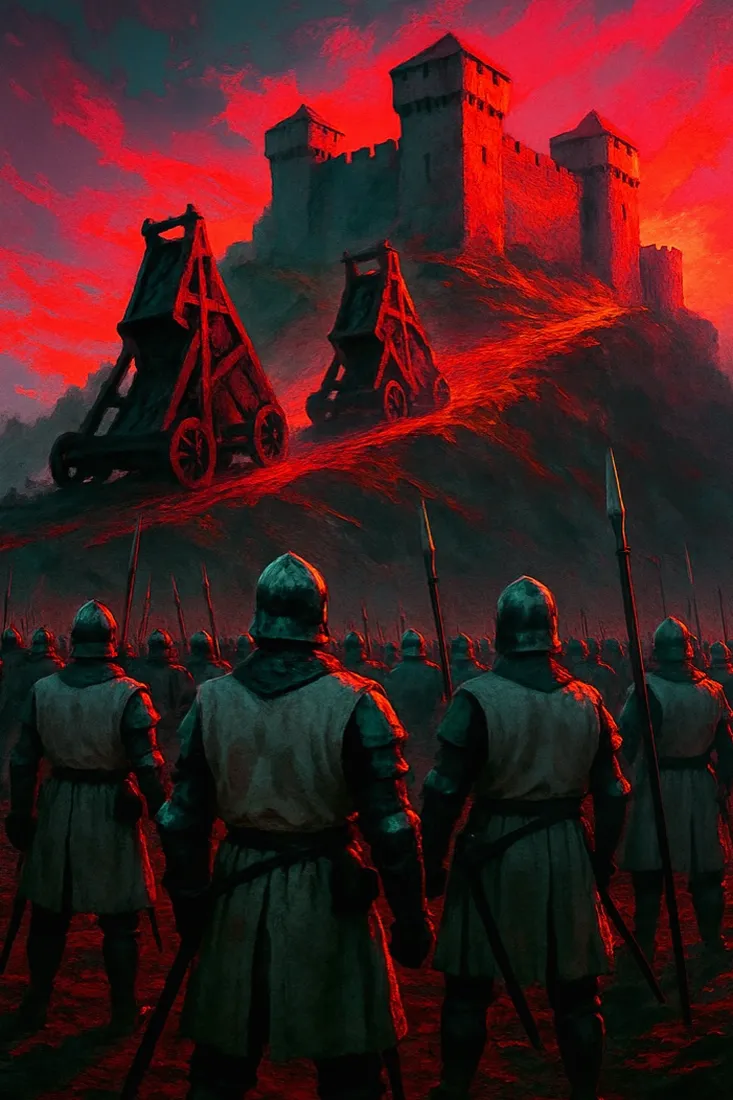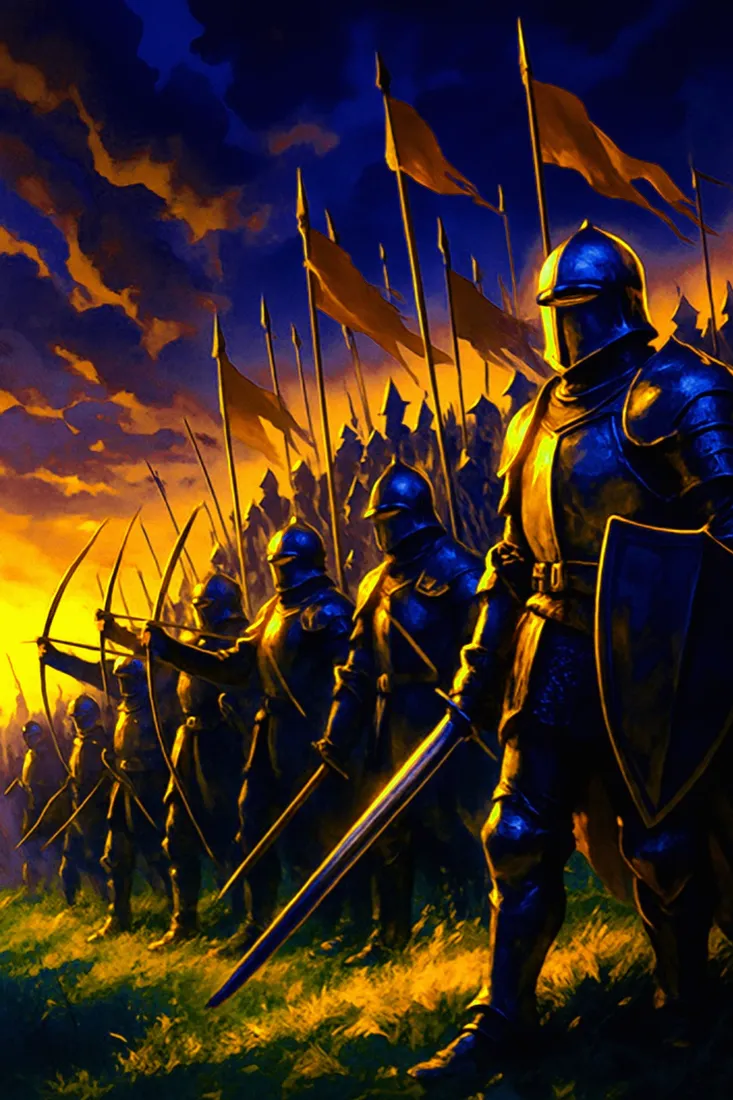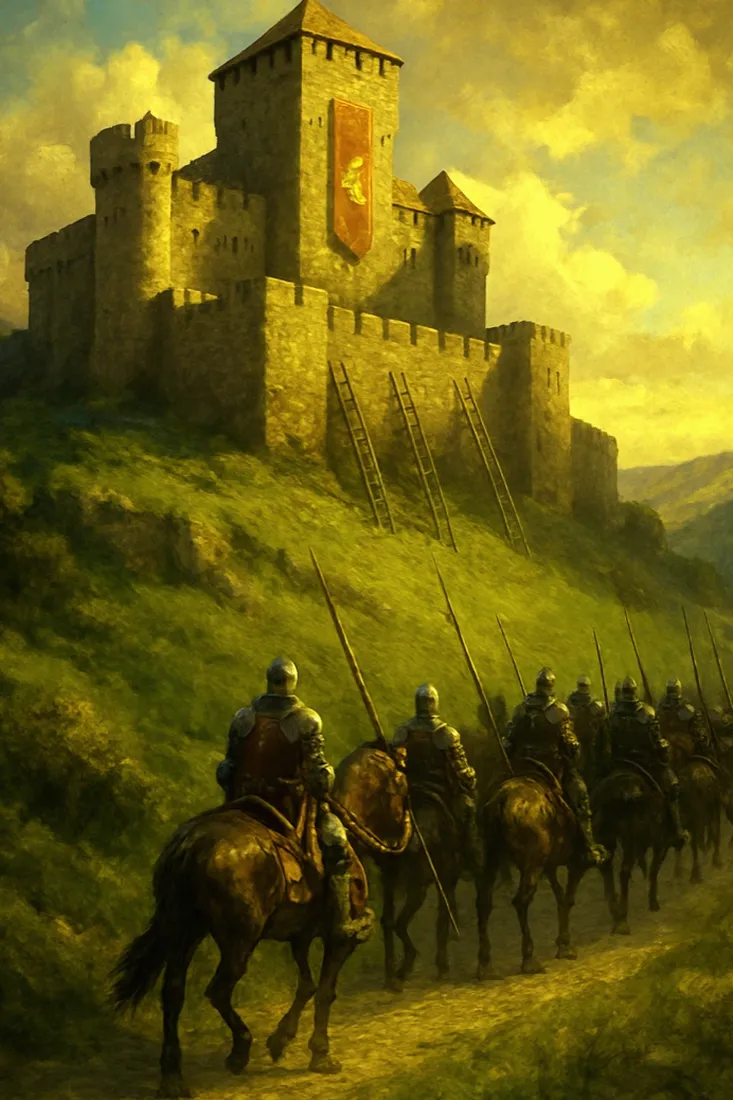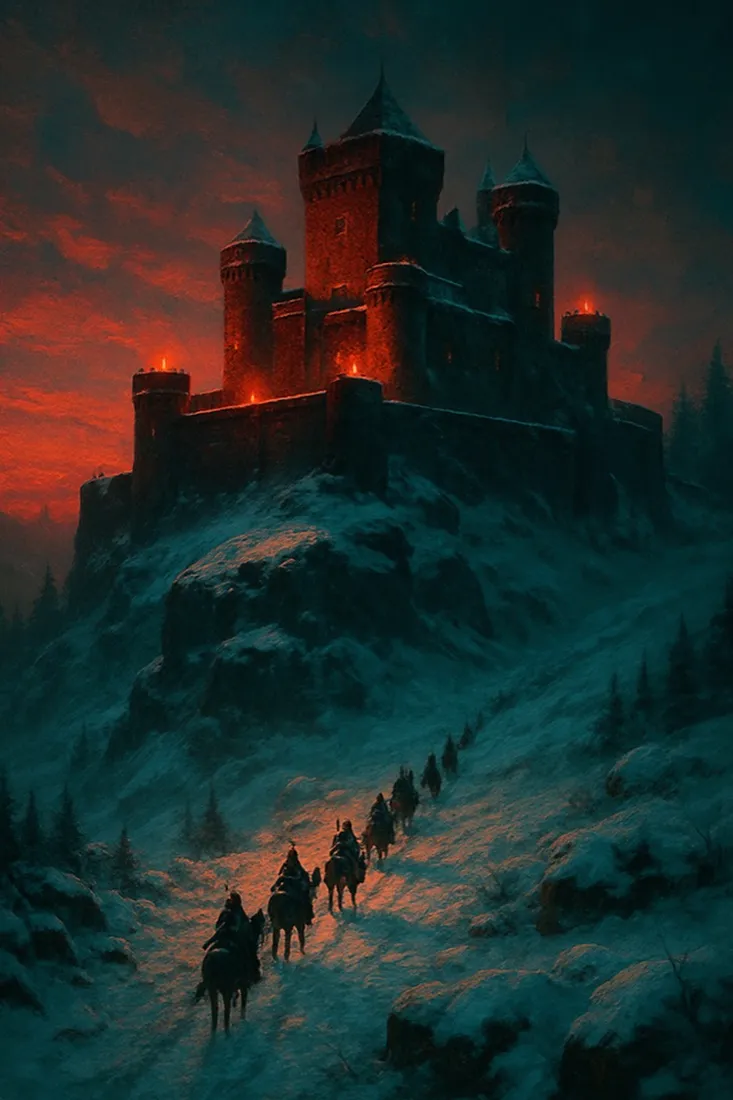
Licensed games often feel like a costume thrown over a generic engine, so we came to Game of Thrones: Winter is Coming expecting little beyond the names. We were wrong about that. Yoozoo built it in Unity, and the result looks noticeably richer than most browser strategy games, with a map that zooms from your castle walls out to the great seats of Westeros.
You play a lord or lady in a realm where the kingdoms have broken apart, which gives the game a sensible excuse for constant conflict. Underneath the dressing sits a classic loop of building, training and alliance warfare, and it is a solid one. It is also a demanding game in time and attention, and the evening sessions it rewards will not suit everyone.
Raising a castle under a familiar sky
Your castle is the anchor of everything: production, troop training, research and the slow work of raising its walls. The structure will be familiar to anyone who has played this genre, but the presentation is a cut above. Buildings look solid, the map has depth, and moving from your own keep to the wider realm feels like zooming out on a real place rather than a grid.
The opening campaign does a fair job of introducing systems one at a time, and it uses locations such as Winterfell, King’s Landing and the Eyrie to give your early quests a sense of geography. Fans will get a small thrill from that. Newcomers to the series will still follow along, because the game explains its own conflicts without assuming you have watched every episode.
Commanders carry the licence
Commanders are the heart of the collection side. You recruit them, equip them, promote them and assign them to lead your troops, and many carry the names and faces fans will recognize. Each brings different strengths, so building a sensible team matters more than simply chasing the most famous character in the roster.
This is where the game is most tempting and most expensive. Commander progress is slow for a free player, and the strongest options take patience. We found it more rewarding to commit to a small group and grow them steadily than to spread resources across everyone. The Weirwood Tree trials and other side modes give commanders something to do between the bigger alliance fights.
Alliances that treat Westeros like a board game
Alliance play is where Winter is Coming comes into its own. Alliances contest territory across the Westeros map, coordinate large battles and take part in conquest modes that pit whole groups against one another. The official site advertises battles with ten thousand troops on screen, and when an alliance rally lands, the spectacle is real.
As with every game on this shelf, the experience depends on who you play with. Our alliance was organized and friendly, with officers who scheduled events at sensible times for players across North America. A disorganized alliance would make the same game feel chaotic and lonely. Spend a few days choosing, and do not be shy about moving if the chat stays silent.
Real time means real evenings
This is a real-time strategy game, and that shows in its demands. Battles and events happen as they happen, and a lot of the best moments ask you to be present at a particular hour. Short check-ins keep your castle ticking over, but the game truly opens up during longer evening sessions, which is why our Pace of a session score is lower than its rivals’.
It is also the only game on our shelf we tested purely in a desktop browser, which suits its heavier presentation. Load times on a modest laptop were acceptable, but this is not a game for an ancient machine or a crowded tab bar. Give it a decent window and a free evening, and it repays you with the most cinematic war map we played.
Game of Thrones: Winter is Coming: the first week at court
- Follow the campaign quests closely for the first days; they unlock systems in a sensible order and supply most early resources.
- Pick two or three commanders that suit your troops and invest in them, rather than levelling every face you recruit.
- Join an alliance with an active chat and a schedule that fits your evenings before you leave early protection.
- Keep your castle upgrades running continuously; idle construction queues are the biggest early waste in this game.
- Try the side modes such as the Weirwood Tree trials once your commanders have a few levels behind them.
What we love
- The Unity-built map looks far richer than most browser strategy games we tested.
- Familiar locations and commanders make the early campaign genuinely fun for fans.
- Large alliance battles feel like proper events rather than numbers on a report.
- Side modes give commanders a purpose between the big alliance fights.
What grates
- Commander progression is slow for free players and tempts spending early.
- Real-time events can demand attention at awkward hours for some time zones.
- Heavier presentation wants a decent computer and an uncluttered browser.
The jarl Game of Thrones: Winter is Coming rewards
Pick this if the series means something to you and you have time for evening sessions with an alliance. Players who want short, low-stakes check-ins will find better homes elsewhere on our shelf, but for fans this is the most atmospheric option.
Game of Thrones: Winter is Coming: the saga's end
Game of Thrones: Winter is Coming is a licensed game that earns its licence. The presentation is a step above, commanders give the collection side some charm, and alliance warfare across Westeros can be thrilling. It asks for more time than most and its progression rewards spending, but for fans with free evenings it is the second-best kingdom on our shelf.