Imperia Online runs entirely in the page. You register on the operator’s site, the empire appears, and from then on the game keeps ticking in real time whether you are watching or not. You start as the ruler of one undeveloped province and spend your first weeks doing something close to bookkeeping, which we mean as a compliment.
It launched in 2005 and has grown through several versions since, so this is not a newcomer chasing trends. It is a builder’s game first and a war game second, and the transition from one to the other is the most interesting arc we found on our shelf. It also has the deepest economy of the six, which earns it our top Stronghold depth score.
Wood, iron, stone and the gold that ties them
The economy rests on wood, iron and stone from production buildings, plus gold that comes through taxes and trade at the marketplace. Buildings sit in economy and military groups and are managed from a Town Hall, and the interface lays it all out clearly enough that you always know where your bottlenecks are. It feels like running a small country rather than tapping glowing icons.
We spent most of our first week simply balancing production and population, and enjoyed it more than we expected. Special resources scattered around the world add bonuses to production and military strength, which gives expansion a purpose beyond raw land. Players who like to optimize will find plenty to tinker with long before they need to think about warfare.
Universities are where the real growth happens
Research happens in universities, and that is where the long game is won. Technologies improve both economy and military, and some of the strongest upgrades simply make everything else run better. Universities belong to your capital rather than to every province you add, which makes the capital precious and gives the map a clear centre of gravity for each empire.
Provinces you add later contribute resources and space but cannot host every kind of building, so expansion is about supporting the capital rather than copying it. That is a smart restriction. It forces you to think about what each new province is for, and it stops the empire from becoming a sprawl of identical towns that all need the same attention every day.
Formations, catapults and trebuchets
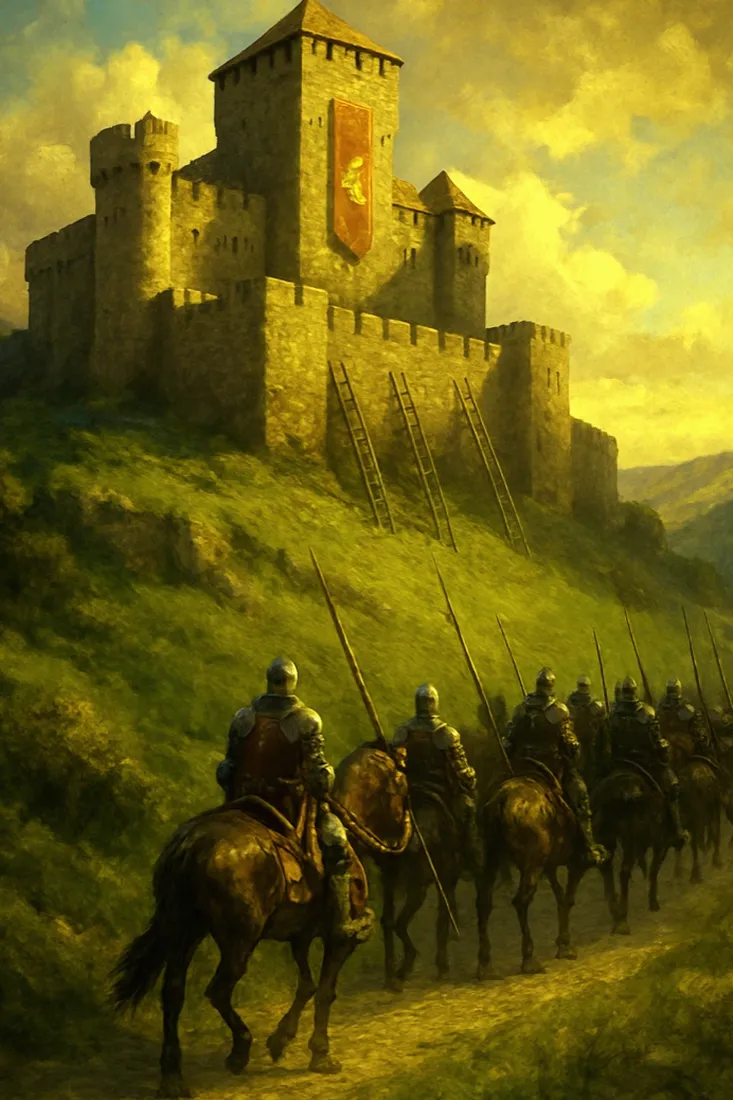
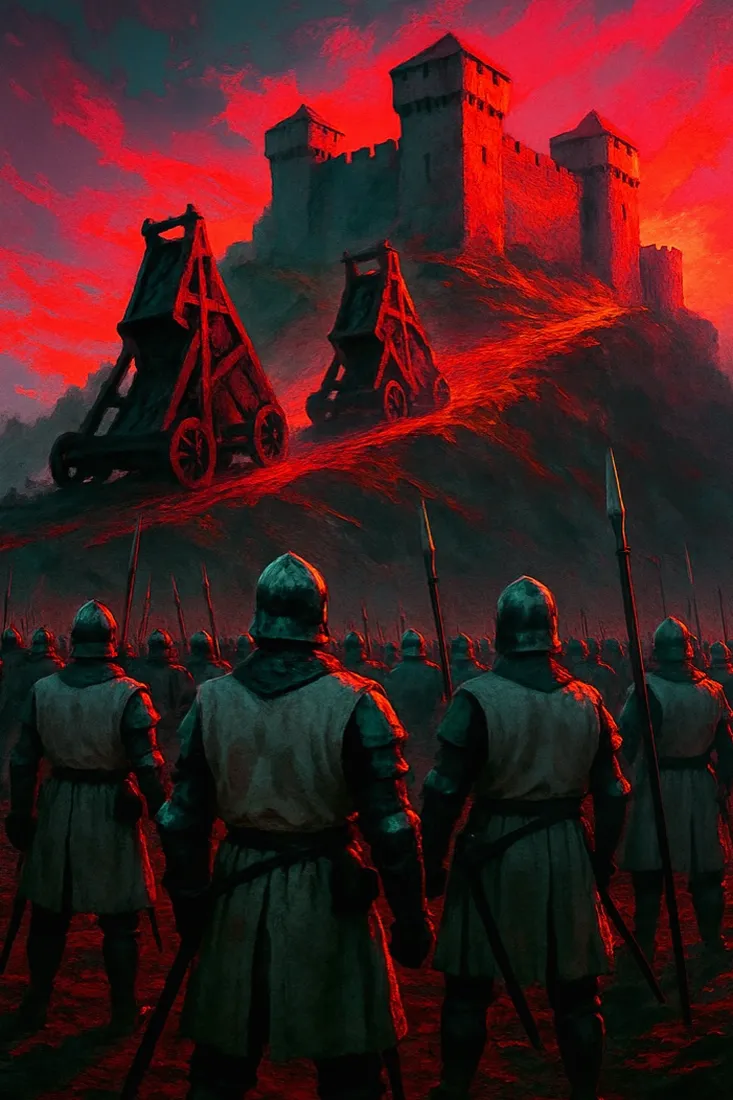
When war comes, it comes with a fairly classic roster: swordsmen, spearmen, archers, cavalry and siege engines such as catapults and trebuchets. Battles resolve automatically once armies meet, but the formation and composition you choose matter a great deal. A well-built army with a sensible formation can beat a larger, sloppier one, which keeps thinking players in the game.
Siege engines give conquest a real cost. Taking a fortified province is a project rather than a whim, and that slows the map down to a pace where planning wins. We found the military side less immediate than Khan Wars, but more grounded in the economy behind it. Your army is only ever as good as the province that pays for it.
Vassals, alliances and a long memory
The most distinctive idea in Imperia Online is what happens to beaten players. Instead of being wiped out, they can be made vassals, which keeps them in the game, feeding part of their output to their overlord while they rebuild. It creates an odd and interesting politics where yesterday’s enemy is today’s supplier, and grudges have a long tail.
Alliances exist and matter, but the game is less clan-centric than Vikings or Winter is Coming. You can play a long, quiet campaign as an economic power with a modest alliance and still feel like you are getting the full experience. That is why our Clan pull score is lower here: the game works well with company, but it does not depend on it.
Imperia Online: the first week at court
- Read the tutorial tasks carefully; Imperia explains its economy well, and early mistakes in production balance take time to undo.
- Keep wood, iron and stone production balanced and watch gold from taxes so construction never stalls for one missing resource.
- Build a university in your capital early and queue research that improves production before any military technology.
- Train a modest defence of spearmen and archers so you are not the easiest target nearby while you grow.
- Look for an alliance that values builders, and ask experienced members how they plan their first expansion.
What we love
- The deepest, most readable economy on our shelf, with real decisions about balance.
- Universities and capital restrictions make expansion purposeful rather than sprawling.
- The vassal system keeps beaten players in the story and adds unusual politics.
- Runs entirely in the browser page, with the app as an optional companion.
What grates
- The first week is slow if you came looking for immediate fights.
- Automatic battle resolution can feel distant after all that preparation.
- Alliances matter less, so clan-minded players may feel a little alone.
The jarl Imperia Online rewards
Imperia Online suits the player who enjoys economics, planning and a war that grows out of good management. If you like spreadsheets, slow builds and a map that remembers who beat whom, this is the most satisfying builder on our list.
Imperia Online: the saga's end
Imperia Online is the builder’s kingdom on our shelf: a long-running, real-time empire game with a properly deep economy, sensible expansion rules and a vassal system that gives defeat a second act. It is slower and less social than our top picks, but for patient rulers who love the ledger it is a superb choice.