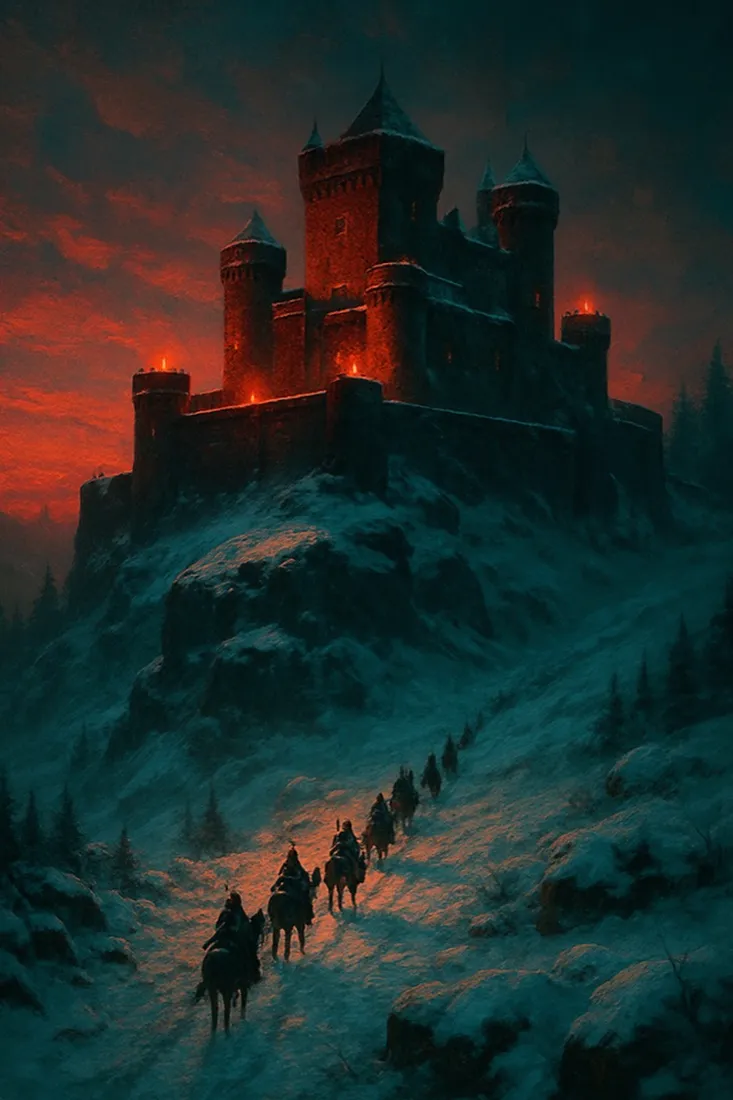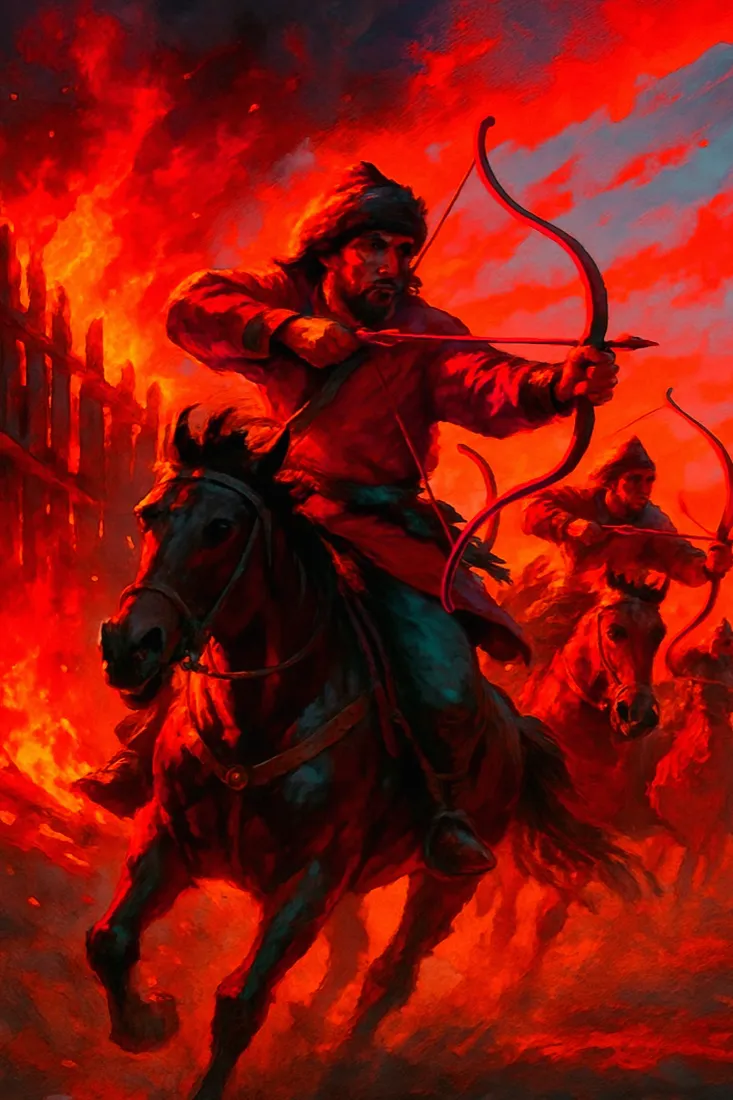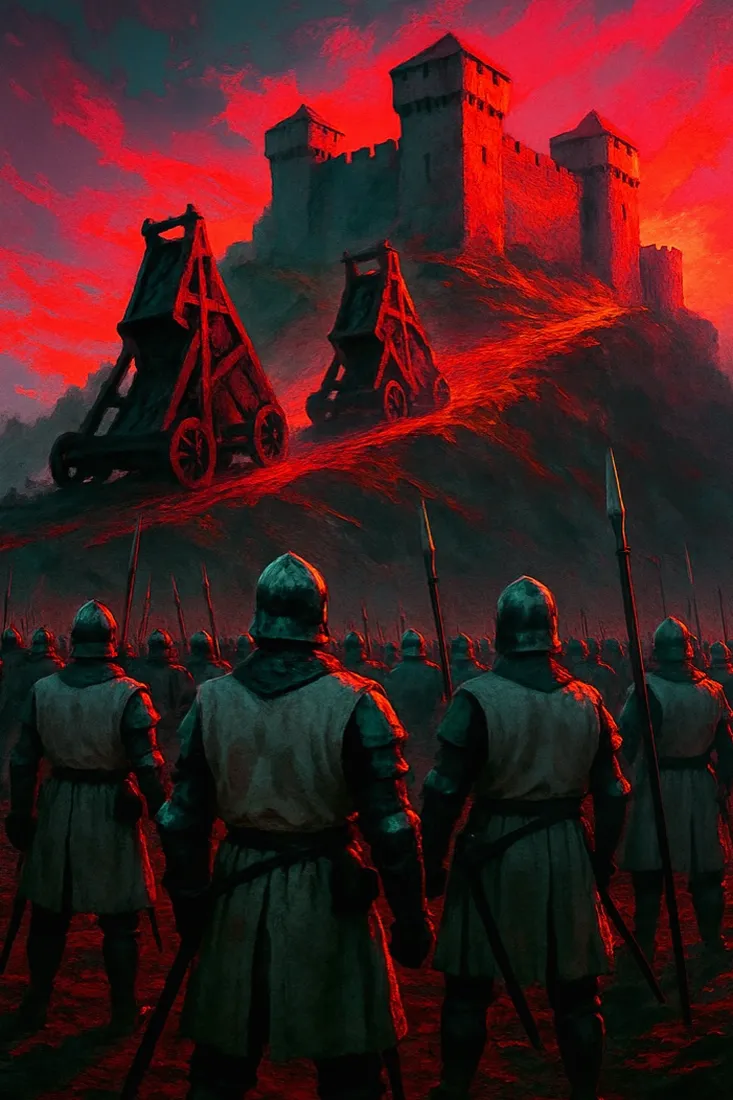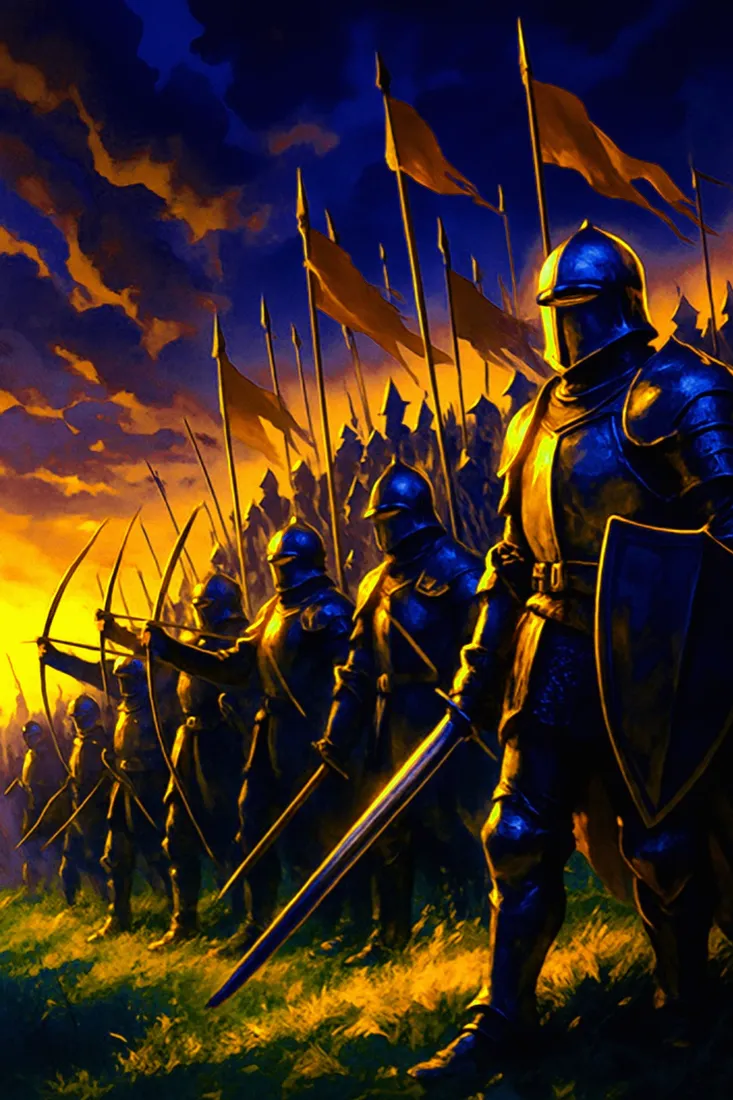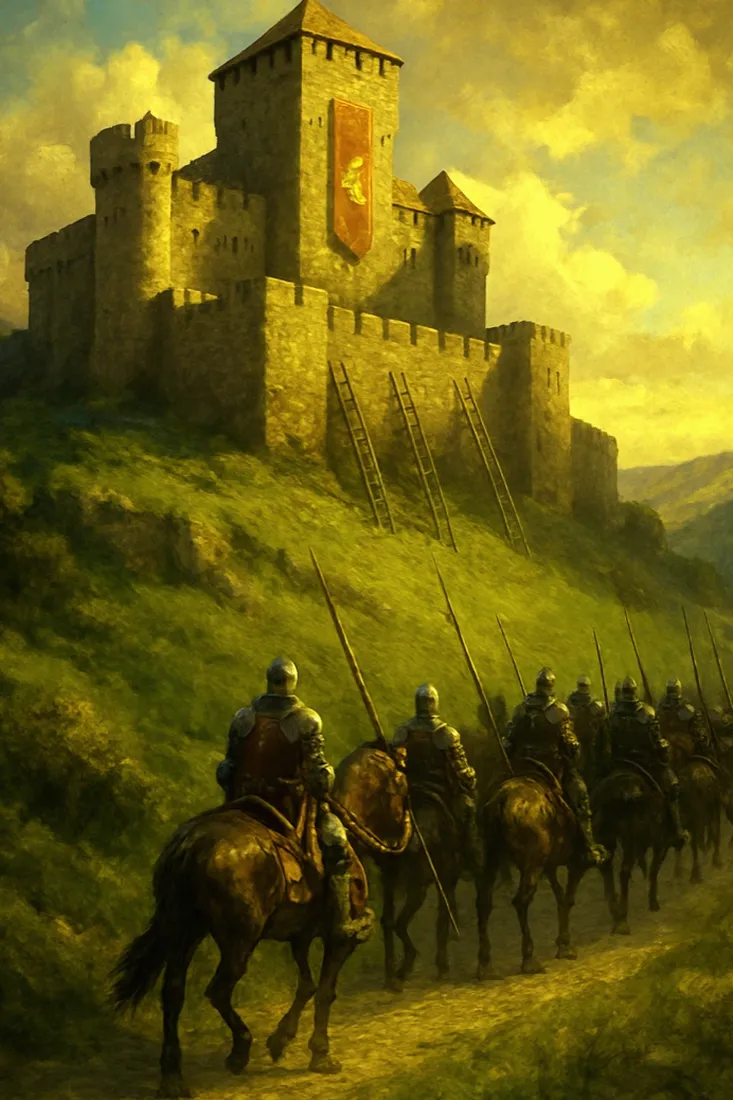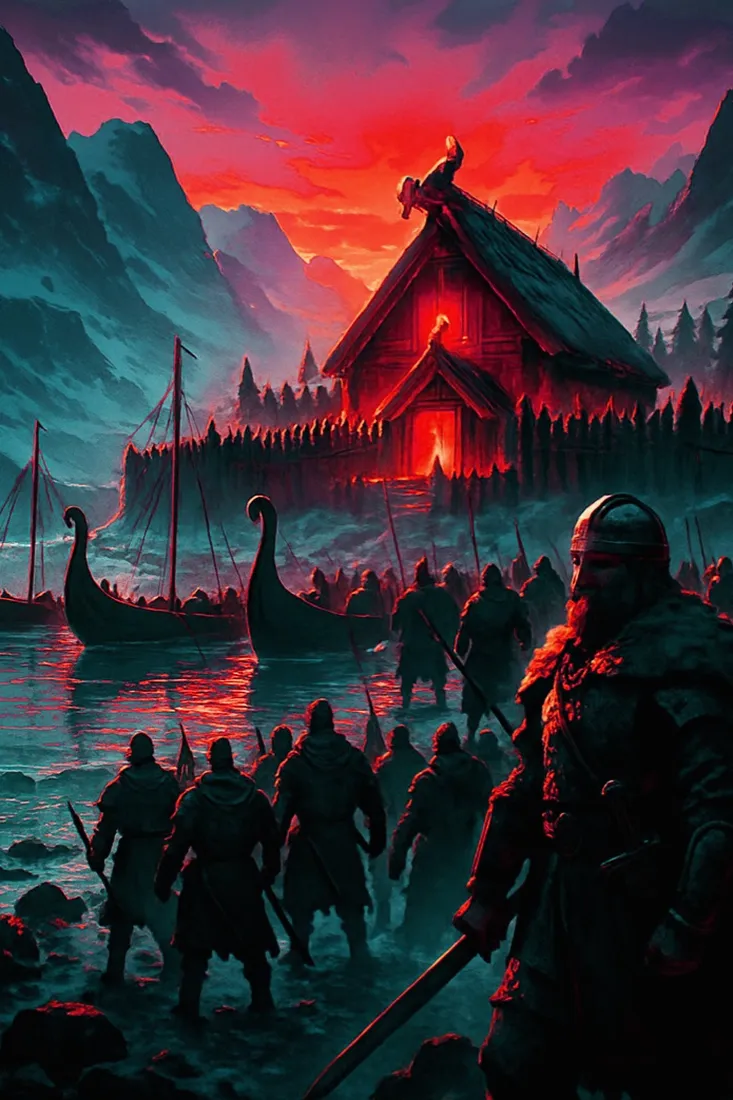
The first hour of Vikings: War of Clans looks like a hundred other strategy games. You place buildings, start timers, train a handful of warriors and gather lumber, iron, food and stone. The difference shows up when you open the kingdom map and notice that everyone’s attention is pulled toward the same spot in the middle. That spot is the Place of Power, and the game is honest that it is the point of everything.
We played on a live kingdom for several weeks, joined a clan on our second day, and stayed through a handful of coordinated pushes. What we found is a game that is generous with structure and clear about its goals. It is not the deepest economy on our shelf, and the gap between free and paying players is real, but no other game here makes clan life feel so central or so lively.
A stronghold that grows in tiers, not sprawl
Your town is a set of buildings that unlock better buildings, and troops come in tiers that open as your stronghold climbs. It is a ladder rather than a sandbox, and that suits the genre. You always know what the next sensible upgrade is, and the game shows you which building is holding up progress. Resource production, troop training and research all hang off the same core structure, so the town reads clearly.
The knowledge system is where planning comes in. Research improves gathering, construction speed, troop strength and more, and the order you choose shapes your first weeks. We pushed economy first and felt the benefit when our clan started asking for resource help. A friend who went straight for military research had stronger marches but spent more time waiting for materials. Neither approach was wrong.
Your Jarl is the character you actually play
The town is your base, but the Jarl is your identity. As you level, you spend points along a skill tree that leans toward economy, war or support, and that tree is the closest thing the game has to a class system. Two players with identical strongholds can still behave very differently on the map, because one has invested in gathering speed and the other in marching strength.
We liked that the tree gives free players a way to be useful without matching anyone’s troop count. A Jarl built for gathering became our clan’s quiet supplier, and that role was genuinely valued. Heroes also go out on raids and missions, adding a small layer of collection on top. It is not complicated, but it gives the game a personal texture the bare building loop would lack.
The Place of Power changes everyone’s week
Each kingdom has its Place of Power at the centre, and the clan that holds it gains kingdom-wide bonuses and a level of prestige the chat never stops discussing. Clans are hierarchical, with ranks up to a chief, and the strongest ones run their members like a small company: rally times, resource quotas, a shared calendar. That organization is the reason the game feels alive.
For a newcomer, the effect is mostly indirect. You will not personally capture anything in your first month. But you will feel the tide of the struggle in the chat, in the requests for reinforcements and in the occasional burned-out town nearby. Watching our clan plan a push across several time zones, with players from Toronto to Winnipeg checking in at strange hours, was the best evening we had on the whole shelf.
Where the free player starts to feel the cold
Plarium’s shop is visible from the first screen, and after the opening weeks the speed-ups and resource packs start to look tempting, because construction timers stretch and the strongest accounts grow very fast. A free player can still progress steadily, but the top of the kingdom belongs to people who spend. That is common in this genre, and Vikings is not the worst offender, but it is honest to say it plainly.
What keeps the free experience pleasant is the clan. Shared help on construction, resource donations and the protection of a strong clan around your town all blunt the gap. Our advice is simple: pick an active clan early, accept that you are a contributor rather than a champion, and you will get many good weeks out of this game without spending a thing.
Vikings: War of Clans: the first week at court
- Finish the guided tasks on day one; they hand out resources and teach the building order without wasting your time.
- Join an active clan within two days, read its rules, and ask what research the leaders want new members to prioritize.
- Spend your first Jarl skill points on gathering or construction so your town grows steadily before you think about raiding.
- Keep your town protected while you are still small, and never leave large piles of resources sitting overnight.
- Send marches to gather on nearby tiles every time you log in, and help clanmates’ buildings whenever the button lights up.
What we love
- The Place of Power gives every kingdom a single, readable goal that everyone cares about.
- The Jarl skill tree lets free players carve out a genuinely useful role in a clan.
- Clear building ladder means you always know what the next sensible upgrade is.
- Plays well in a desktop browser tab, with the app keeping the same account.
What grates
- The shop is loud, and spenders pull ahead fast once the opening weeks are done.
- Raids on small towns can sting if your protection lapses while you sleep.
- Hero raids feel thin compared with the depth of the clan politics.
The jarl Vikings: War of Clans rewards
This is the game for someone who wants to belong to a clan and is happy playing a supporting role on the way up. If you enjoy chat, rally times and a big shared target, Vikings delivers that experience better than anything else on our shelf.
Vikings: War of Clans: the saga's end
Vikings: War of Clans takes a familiar stronghold loop and gives it purpose through clans and the Place of Power. The Jarl skill tree adds personality, the browser version is smooth, and the community does a lot of the work. The paywall pressure is real once you climb, but as a first northern kingdom it is the one we recommend most warmly.